

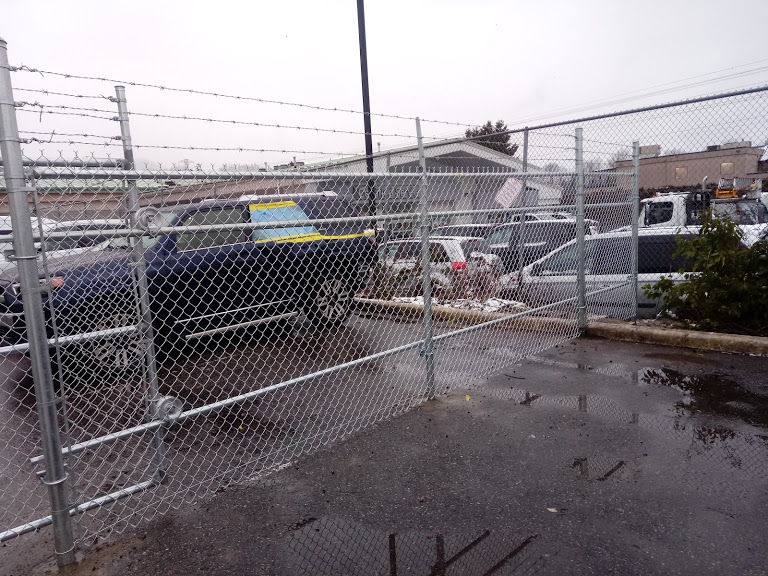
Winter in Canada can be harsh on fences, with heavy snow, ice, and fluctuating temperatures causing stress on both wood and vinyl structures. As temperatures rise and spring arrives, it’s crucial to assess your fence and identify any damage that may have occurred over the winter months. Addressing fence issues early prevents minor problems from escalating into expensive repairs or replacements. This comprehensive guide will help homeowners recognize the top signs they need fence repair after winter and take the appropriate action to maintain a strong, secure, and visually appealing fence.
Understanding Winter Fence Damage
Winter fence damage is often subtle, developing over months of exposure to snow, ice, and freezing temperatures. Snow accumulation can place excessive weight on fence panels, causing leaning, warping, or even panel breakage. Freeze-thaw cycles affect the soil around fence posts, sometimes leading to sinking or tilting posts. Wind and ice can loosen fasteners and hinges on gates, affecting overall fence stability. Recognizing the effects of winter on your fence is the first step toward effective seasonal fence maintenance.
Seasonal fence maintenance is not just a matter of aesthetics; it is a matter of safety. Weak posts, broken panels, and leaning fences can pose hazards for children, pets, and property. Early detection of winter fence damage ensures your fence continues to provide security, privacy, and curb appeal for your home.
Conducting a Thorough Fence Inspection
A proper fence inspection after winter is essential. Begin by walking along the perimeter of your property and examining each section of the fence carefully. Look for fence damage signs such as cracks in panels, loose or missing nails, rust on metal components, and uneven or leaning posts. Fence inspection tips include checking gate operation, ensuring hinges and latches function smoothly, and verifying that panels are properly aligned.
Pay special attention to areas exposed to heavy snowdrifts or standing water. These zones are more susceptible to fence post damage and panel warping. Taking note of any issues during this inspection helps homeowners prioritize repairs and schedule professional services if needed.
Identifying Leaning Fences
One of the most obvious signs that a fence requires repair is leaning. Leaning fences often result from frost heave, where the freezing and thawing of the soil pushes posts out of alignment. Leaning fence repair should be addressed promptly because an unstable fence can worsen over time and create additional damage to panels or gates.
Repairing leaning posts may involve digging out the post, adjusting its position, reinforcing it with concrete or gravel, and ensuring proper alignment. This step is crucial for both wood fence repair and vinyl fence repair, maintaining the fence’s structural integrity and appearance.
Assessing Broken Fence Panels
Broken fence panels are another common winter-related problem. Heavy snow, wind, and ice can crack, splinter, or dislodge panels. Wooden fences are particularly prone to panel damage, while vinyl fences may develop cracks or bends. Broken panels not only compromise security but also reduce the overall aesthetic appeal of your backyard.
Fence panel replacement is necessary when damage is severe. Homeowners can replace individual panels or hire professionals to ensure the replacement matches the existing fence style and remains secure.
Inspecting Fence Posts and Foundations
Fence post damage is a leading cause of fence instability. Winter conditions can erode soil, causing posts to sink, tilt, or rot. Vinyl posts may bend or crack under extreme temperatures, while wood posts can suffer from moisture absorption and decay. Conducting a post inspection ensures that all fence supports remain strong and aligned.
If posts are damaged, fence post replacement is essential. Reinforcing or replacing compromised posts stabilizes the entire fence structure, preventing leaning fences and further panel damage. Professional guidance may be necessary for posts that require precise alignment or concrete support.
Checking Gates and Hardware
Gates are the functional heart of any fence, and winter can take a toll on gate hardware. Fence gate repair includes checking hinges, latches, locks, and automatic mechanisms if applicable. Frozen or rusted hinges may cause gates to sag or stick, while misaligned latches can compromise security.
Proper gate maintenance during spring ensures smooth operation, enhances security, and prevents undue stress on adjacent fence panels. Lubricating hardware and tightening screws or bolts are simple preventive measures that improve longevity.
Wood Fence Repair Tips
Wood fences offer a classic aesthetic but require specific care after winter. Wood fence repair focuses on addressing rot, cracks, and insect damage that may have worsened during the cold months. Applying a protective stain or sealant after repairs helps prevent future moisture damage and UV deterioration. Seasonal fence maintenance for wood fences includes tightening loose nails, replacing damaged panels, and reinforcing posts where necessary.
Backyard fence repair for wood fences is especially important for high-traffic areas where pets or children frequently play, as weakened panels or posts can present safety risks.
Vinyl Fence Maintenance
Vinyl fences are known for durability and low maintenance, but they are not immune to winter damage. Cracks, bends, or discoloration may appear after heavy snow or ice. Vinyl fence repair often involves replacing individual panels or sections and realigning posts if necessary.
Cleaning vinyl fences in spring removes mold, dirt, and debris accumulated during winter. Regular maintenance preserves the fence’s appearance and prevents minor issues from escalating into structural problems. Fence upkeep tips for vinyl include inspecting post anchors and ensuring panels are securely fastened.
Preventive Seasonal Fence Maintenance
Preventive care is the best way to protect your fence year-round. Seasonal fence maintenance should include inspections each spring, cleaning, minor repairs, and applying protective coatings where appropriate. Proper grading around posts, trimming nearby vegetation, and clearing debris reduce moisture accumulation and prevent rot or rust.
Outdoor fence upkeep also involves monitoring for signs of pest activity, particularly for wooden fences. Termites, carpenter ants, or other insects can weaken structural components if left unchecked. Implementing a preventive maintenance routine ensures that your fence remains strong, safe, and visually appealing.
When to Call a Professional
While many homeowners can handle minor repairs, some fence issues require professional intervention. Large-scale fence post damage, extensive panel breakage, or complex gate repairs may be best addressed by experts. A licensed fencing contractor has the tools, experience, and knowledge to perform repairs safely and efficiently, ensuring your fence is restored to its full functionality and durability.
FORTRESS FENCING INC. provides comprehensive residential and commercial fence repair services across Canada. Our team can evaluate winter fence damage, recommend appropriate repairs, and perform expert maintenance to extend the life of your fence.
Conclusion
Winter can leave a lasting impact on fences, from leaning posts and broken panels to damaged gates and hardware. Recognizing the top signs that your fence requires repair after winter is crucial for homeowners who want to maintain safety, security, and aesthetic appeal. Conducting thorough inspections, addressing leaning fences, repairing panels and posts, and maintaining gates are essential steps in spring fence maintenance.
Routine seasonal fence maintenance, whether for wood or vinyl, protects your investment and ensures your backyard remains functional and beautiful. For those needing expert assistance, professional fence repair services can save time, prevent further damage, and restore your fence to top condition.
Contact FORTRESS FENCING INC. today for a professional fence inspection or repair service. Keep your fence strong, secure, and looking its best all year long with our trusted team of fencing experts.