

Fencing in Canada presents unique challenges due to harsh winters, heavy snowfall, and fluctuating temperatures. Choosing the right fence for cold climates is crucial to ensure durability, safety, and aesthetic appeal. From residential backyards to commercial properties, the materials and installation methods used must withstand frost, ice, and winter winds while maintaining long-term performance. This comprehensive 2026 guide explores the best fencing options for cold climates in Canada, helping homeowners and property owners make informed decisions.
Understanding Cold Climate Fencing Challenges
Cold climate fencing options must account for extreme weather conditions that can affect fence materials and structural integrity. Winter-proof fences in Canada face multiple challenges, including snow accumulation, frost heave, moisture absorption, and strong winds. Frost heave, in particular, can shift fence posts, causing panels to lean or warp, while prolonged exposure to moisture can lead to wood rot or corrosion on metal fences.
Outdoor fence durability is a primary concern when selecting fencing materials. Fences must not only resist physical damage but also maintain their appearance and functionality over time. Considering local weather patterns and seasonal temperature changes is essential when planning fence installation in cold climates.
Wood Fences for Cold Weather
Wood fences remain a popular choice for residential and commercial properties due to their natural beauty and versatility. However, wood fence cold weather performance depends on proper material selection, treatment, and maintenance. Pressure-treated wood or cedar is ideal for resisting moisture, rot, and insect damage.
Regular maintenance is necessary to protect wood fences from harsh winter conditions. Applying a protective sealant or stain helps prevent moisture absorption and cracking. Additionally, reinforcing posts during fence installation cold weather ensures stability against frost heave. Proper installation techniques, such as deeper post holes and concrete footings, can significantly enhance the durability of wood fences in snowy climates.
Vinyl Fences for Cold Climates
Vinyl fences are renowned for their low maintenance and resilience in extreme weather. Vinyl fence cold climates options are designed to resist cracking, warping, and fading caused by freezing temperatures and UV exposure. They also offer flexibility under snow loads, which helps prevent structural damage.
One of the main benefits of vinyl fencing is its weather-resistant properties, making it an excellent choice for Canadian residential fencing where snow and ice are prevalent. Vinyl fences do not require painting or staining, reducing ongoing maintenance. Proper installation, including reinforced posts and proper anchoring, ensures a long-lasting, winter-proof fence that withstands frost and high winds.
Metal Fencing Solutions
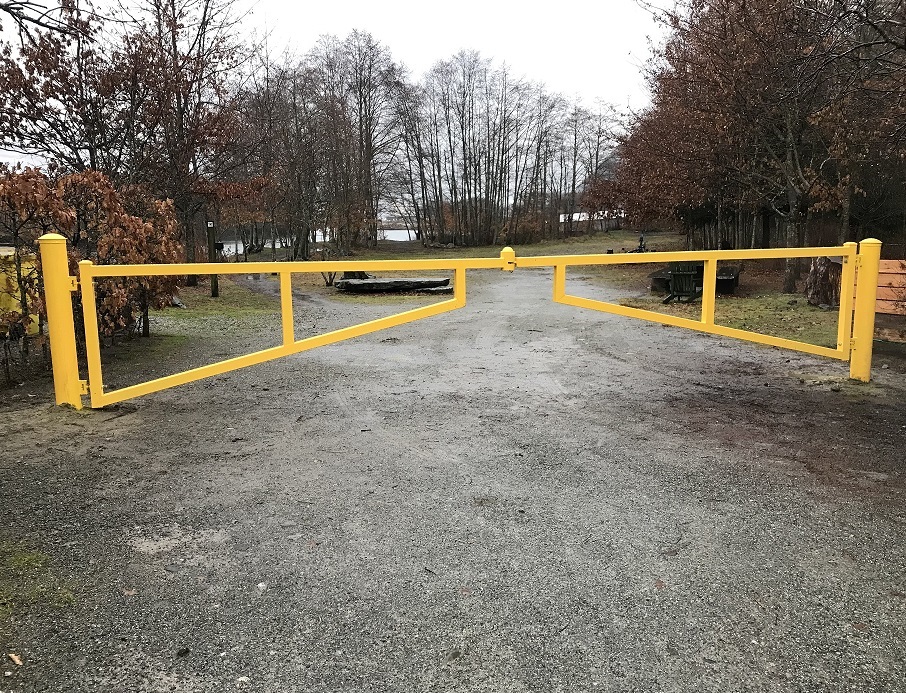
Metal fence Canada options, including aluminum and steel, provide a durable alternative for cold climates. Metal fencing is resistant to snow, ice, and wind, making it a snow-resistant and frost-resistant fence solution. Powder-coated finishes or galvanized steel prevent rust and corrosion, ensuring longevity even in wet, icy conditions.
Metal fences offer a combination of security, aesthetic appeal, and low maintenance. They are ideal for both residential and commercial applications where strength and durability are paramount. For cold-weather fence repair, metal fences typically require less frequent attention compared to wood, although occasional inspection for rust or bent panels is recommended.
Choosing Fence Materials for Harsh Weather
Selecting the right fence materials for harsh weather involves balancing durability, aesthetics, and maintenance requirements. Frost-resistant fence materials like treated wood, vinyl, and powder-coated metal are essential for Canadian climates. Each material has advantages: wood offers natural beauty, vinyl provides low maintenance, and metal delivers long-term strength.
Outdoor fence durability also depends on installation practices. Proper post depth, anchoring, and drainage solutions prevent frost heave and ensure the fence withstands seasonal changes. For homeowners looking for backyard fence ideas Canada, combining these materials with thoughtful design ensures both function and style.
Low-Maintenance Fences for Canadian Winters
Low-maintenance fences Canada options are highly desirable for homeowners seeking convenience without sacrificing durability. Vinyl and metal fences are ideal for low-maintenance applications, as they require minimal care and resist snow, ice, and moisture. Even wood fences can be considered low maintenance if treated and protected properly.
Seasonal maintenance remains essential, even for low-maintenance fences. Cleaning debris, inspecting for minor damage, and checking post stability after winter storms ensures long-term performance. A proactive approach to cold weather fence repair can prevent costly issues and extend the life of the fence.
Installation Tips for Cold Climate Fences
Fence installation cold weather presents unique challenges, but proper techniques can enhance durability and performance. Posts should be set deeper than the frost line to prevent frost heave, which occurs when soil expands and contracts during freezing and thawing. Using concrete footings and ensuring proper drainage around posts are critical steps.
For snow-resistant fences, consider panel orientation and spacing. Properly spaced panels reduce wind pressure and prevent snow accumulation from causing warping or leaning. Consulting a professional ensures that fence installation accounts for local climate conditions, resulting in a long-lasting, winter-proof structure.
Winter Fence Protection Strategies
Winter fence protection is vital for all fence types. Snow buildup should be cleared from leaning panels, gates, and pickets to reduce pressure and prevent damage. Trimming back trees and shrubs prevents branches from weighing down fences or scraping surfaces during ice storms.
Applying protective coatings to wood fences and inspecting vinyl or metal fences for minor cracks or bends is an important aspect of seasonal fence maintenance. Addressing these issues before they escalate ensures your fence remains functional, secure, and attractive throughout the winter season.
Planning for Long-Term Fence Durability
Canadian residential fencing must account for multiple years of harsh weather. Choosing durable materials, following proper installation practices, and implementing routine maintenance strategies contribute to long-term fence durability. Frost heave fence solutions, proper anchoring, and careful attention to drainage are critical factors in maintaining the structural integrity of any fence in cold climates.
Backyard fence ideas Canada should not only focus on aesthetics but also on resilience. A thoughtfully designed and well-installed fence will continue to protect your property, provide privacy, and enhance curb appeal for years to come.
Conclusion
Selecting the best fence for cold climates in Canada requires careful consideration of materials, installation practices, and maintenance strategies. Wood, vinyl, and metal each offer unique benefits, and choosing the right option depends on your property’s needs, aesthetic preferences, and local weather conditions. Winter-proof fences Canada must withstand snow, ice, frost, and fluctuating temperatures while remaining secure and visually appealing.
Routine seasonal maintenance, proper installation, and winter fence protection strategies ensure your fence remains durable and low-maintenance over time. For homeowners seeking reliable fencing solutions in Canada, professional guidance is invaluable.
Contact FORTRESS FENCING INC. today for expert advice on cold climate fencing options, installation, and maintenance. Protect your property with durable, winter-ready fences that last for years.