

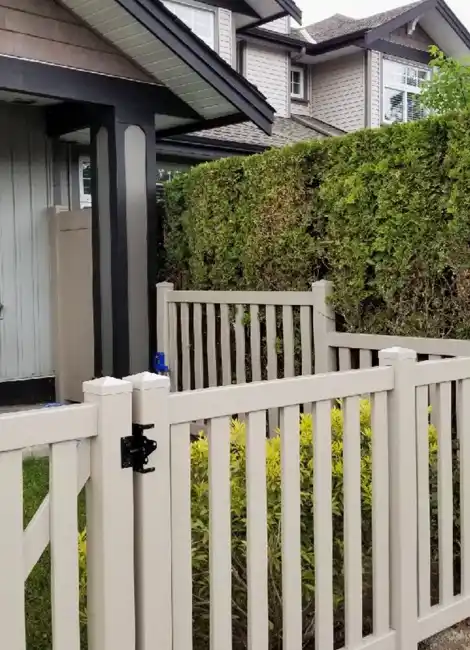
If you are planning a new fence, timing matters more here than it does in most of Canada. Metro Vancouver’s wet coastal climate, clay-heavy soil, and busy contractor season all affect how smoothly your project goes and how well your posts set. The short answer: the best time to install a fence in Vancouver is late spring through early fall, roughly May to September, when the ground is drier and workable. That said, a good fencing contractor can install year round, and each season has trade-offs worth understanding before you book.
The Short Answer: Late Spring to Early Fall
For most Metro Vancouver homeowners, May through September is the sweet spot. The rainy season has eased, the ground has dried enough for clean post holes, and concrete footings cure properly without constant moisture. Dry, stable soil means posts set straight and stay that way, which is the single biggest factor in a fence that lasts. If you want the smoothest install with the fewest weather delays, aim for this window.
A Season-by-Season Guide for Vancouver Fences
Spring (March to May)
Spring is the most popular time to install a fence, and for good reason. Homeowners are planning summer yards, and the weather is warming. The catch is that early spring in Vancouver is still wet. March and April often bring saturated, muddy ground that makes digging harder and can delay concrete curing. Late spring is excellent. The main downside is demand: this is when fencing companies start filling their calendars, so booking early is essential if you want your fence up before summer.
Summer (June to August)
Summer offers the driest, most predictable conditions of the year. Firm ground, long daylight hours, and minimal rain make for fast, clean installations. The trade-off is availability. Summer is peak season across Metro Vancouver, from Vancouver and Burnaby to Surrey, Coquitlam, and Langley, so lead times are longest and schedules book up weeks in advance. If summer is your target, reach out in spring to reserve your spot.
Fall (September to October)
Early fall is one of the best kept secrets in fencing. The ground is still dry from summer, temperatures are comfortable for crews, and the peak-season rush has eased, which often means shorter wait times and more scheduling flexibility. Installing in September or October also means your fence is finished and ready before the winter rains arrive. For many homeowners, early fall delivers the best balance of good conditions and easy booking.
Winter (November to February)
Vancouver winters are wet rather than deep-frozen, so installation is still possible when it is not in most of the country. Because the ground rarely freezes solid here, experienced crews can dig and set posts through much of the winter. The challenges are heavy rain, shorter days, and softer, saturated soil that can complicate footings. If you are curious how scheduling affects your timeline, see our guide on how long a fence installation really takes. The upside of winter is availability, so if you are not in a rush and you work with a contractor who knows how to install in wet conditions, you will be ready the moment spring arrives.
Why Timing Affects Your Fence in Metro Vancouver
Vancouver’s climate is unique in Canada, and it shapes how a fence should be installed.
- Soil and moisture: Much of the Lower Mainland sits on clay-heavy soil that holds water. When it is saturated, post holes can collapse or fill, and concrete footings take longer to cure. Drier months give posts a stable, well-draining base.
- Rainfall: The region sees the majority of its rain from November through March. Installing during drier months reduces weather delays and helps ensure a clean, precise result. If you are weighing materials for our climate, our guide to the best fence options for Vancouver’s rainy weather is a helpful next read.
- Wood movement: If you are choosing a cedar fence, dry conditions during installation help the wood settle properly. Installing soaked lumber in the wettest months can lead to more warping and shrinkage as it dries out later. Low-maintenance options like vinyl and chain-link are less affected by moisture.
- Contractor availability: Demand peaks in late spring and summer. Planning around the shoulder seasons, late spring and early fall, often means better pricing flexibility and shorter timelines.
Do Not Forget Permits and Property Lines
Timing is not only about weather. In Metro Vancouver, fence height and placement are governed by municipal bylaws, and rules differ between cities like Vancouver, Surrey, Burnaby, and the North Shore. Front-yard fences are typically limited to a lower height than back-yard fences, and corner lots often have sight-line rules. Some projects require a permit, and confirming your property line before you build prevents costly disputes with neighbours. Because permit approvals and utility locates add lead time, it is smart to start the process a few weeks before your ideal install date.
How Far in Advance Should You Book?
Because the best conditions and the busiest season overlap, planning ahead pays off. As a general guide:
- For a summer install, reach out in early spring.
- For a fall install, book in mid to late summer.
- For spring, contact your contractor over the winter to lock in an early-season slot.
- For winter, you can often book on shorter notice thanks to lower demand.
Getting on the schedule early also leaves time for material selection, permit checks, and utility locates, so your project starts without surprises.
Get a Fence That Lasts, Whatever the Season
The best time of year to install a fence in Vancouver is late spring through early fall, but the right contractor can deliver a straight, durable fence in any season by working with our coastal climate rather than against it. What matters most is proper post depth, quality footings, and materials suited to the Lower Mainland’s wet weather.
At Fortress Fencing, we install cedar, vinyl, chain-link, and aluminum fencing across Metro Vancouver year round, and we know exactly how our local soil and seasons affect each project. Whether you are planning ahead for spring or want to take advantage of quieter fall scheduling, we will help you choose the right time and the right fence for your property. Contact us today for a free estimate and let’s get your project on the calendar.
Frequently Asked Questions
What is the best month to install a fence in Vancouver?
May through September is ideal, with early fall (September to October) offering the best mix of dry ground and easier scheduling. These months give posts a stable, well-draining base and reduce weather delays.
Can you install a fence in Vancouver in winter?
Yes. Because the ground in Metro Vancouver rarely freezes solid, experienced crews can install fences through much of the winter. Heavy rain and saturated soil are the main challenges, so it is best handled by a contractor experienced in wet-weather installation.
How long does fence installation take?
Most residential fences are installed in one to three days once the project is scheduled, depending on the length, materials, and site conditions. Permit approvals and utility locates should be arranged in advance.
Do I need a permit to build a fence in Metro Vancouver?
It depends on your municipality and the fence height. Cities like Vancouver, Surrey, and Burnaby each have their own bylaws for height and placement, so confirm local requirements before you build.